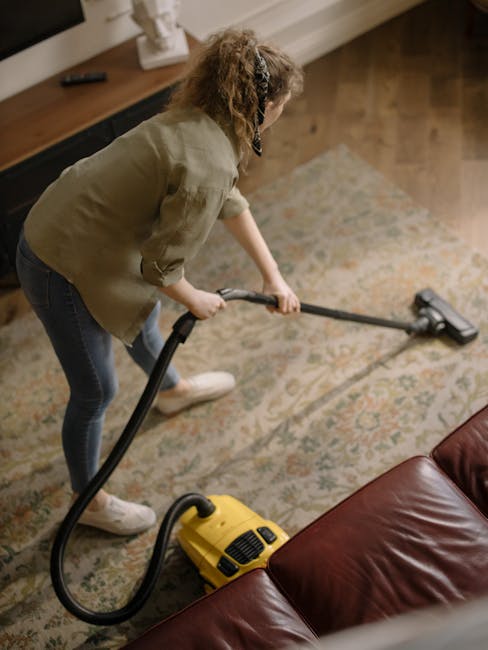
Insider tips for carpet cleaning in Tooting Broadway
If you live or work around Tooting Broadway, you already know carpets take a beating faster than you might expect. Busy foot traffic, rainy-day grit, pet mishaps, coffee spills, post-commute mud, and the odd builder's dust cloud can all settle deep into the fibres. The good news? With the right approach, carpet cleaning in Tooting Broadway can be much more effective, less stressful, and a lot more economical than waiting until the carpet looks beyond saving.
This guide shares practical, insider-style advice for getting better results from domestic and commercial carpet cleaning, avoiding common mistakes, and knowing when a deeper clean is the smarter move. We'll keep it grounded, local, and useful. No fluff. Just the kind of tips that save time and help carpets look fresher for longer.
Why carpet cleaning in Tooting Broadway matters
Carpet cleaning is not just about making a room look neat. In a place like Tooting Broadway, it is also about keeping on top of day-to-day dirt that builds up quickly in a high-activity London neighbourhood. A carpet can look "fine" on the surface while holding dust, allergens, pet hair, sand, and odours deeper down. That trapped soil is what makes fibres feel flat and dull over time.
There's also a simple practical point: the longer a stain sits, the harder it is to remove. Tea, wine, food colouring, greasy marks from shoes, and pet accidents all become more stubborn if they are rubbed in or left untreated. Truth be told, many people wait until a carpet looks noticeably tired before doing anything, and by then the job gets harder.
For landlords, tenants, homeowners, and local businesses, regular carpet maintenance can also support better presentation and avoid avoidable replacement costs. If you manage a property or operate in a shared building, services like communal area cleaning can make a surprising difference to first impressions. Nobody enjoys walking into a hallway that looks grey by Tuesday morning.
There is another subtle benefit too. A cleaner carpet changes how a room feels. It smells fresher. It feels lighter underfoot. It makes the whole space easier to live in. Small thing, maybe. But you notice it.
How carpet cleaning in Tooting Broadway works
At a practical level, carpet cleaning usually follows a simple sequence: inspect, pre-treat, agitate, extract or rinse, then dry. The exact method depends on the fibre type, the level of soil, and whether you are dealing with a stain, general grime, or an odour issue.
Most professional carpet cleaning falls into two broad approaches. One is hot-water extraction, often called steam cleaning by customers even when it is not literally steam in the domestic sense. The other is low-moisture or dry-style cleaning, which uses less water and can be useful in certain situations. For heavily soiled carpets, steam carpet cleaning is often a strong option because it can reach deep into pile and help lift embedded dirt.
The process usually starts with a careful look at the carpet construction. Wool, wool blends, synthetic fibres, loop pile, twist pile, and commercial-grade carpets all behave differently. That matters more than most people realise. A product that works beautifully on synthetic office carpet may be too aggressive for a delicate wool rug. A quick patch test is often the sensible move, even if it feels a bit over-cautious.
After inspection, the cleaner will usually apply targeted pre-treatment to high-traffic areas or visible marks. The point is to loosen the soil before the main cleaning stage. Then comes controlled agitation, which helps the solution work into the fibres. Finally, extraction or rinsing removes the loosened dirt. Good drying is the last step, and not a minor one. Poor drying can leave carpets musty, sticky, or re-soiling faster than they should.
If the issue is a specific mark rather than whole-room cleaning, a focused stain removal treatment may be more appropriate. And if pet smells are involved, especially from accidents that have reached the underlay, pet stain odour removal is worth considering rather than simply masking the smell. Let's face it, air freshener is not a cure.
Key benefits and practical advantages
When carpet cleaning is done properly, the benefits stack up quickly. Some are obvious. Some are easy to overlook until you live with a cleaner carpet for a week or two.
- Better appearance: carpets look brighter, less patchy, and less worn.
- Improved freshness: embedded odours are reduced rather than covered up.
- Longer carpet life: soil acts like grit and abrades fibres over time.
- Healthier indoor feel: less dust and debris sitting in the pile.
- Better property presentation: useful for rentals, sales, guest stays, and client-facing spaces.
- More manageable maintenance: regular care is easier than rescue work.
There is also a time-saving angle. If you clean a carpet before soil becomes deeply packed in, the job is simpler and faster. That can matter for busy households, offices, and lets. A cleaner that spends less time battling old grime can focus on the details that really improve the result.
For larger properties or working environments, it may make sense to combine carpet care with other services, especially where dirt is tracked in from entrances, kitchens, or shared access areas. In those cases, a broader plan through office cleaning or domestic cleaning can keep the whole place in better shape between deeper cleans.
Expert summary: the best carpet cleaning outcomes usually come from matching the method to the fibre, treating stains early, extracting thoroughly, and allowing proper drying. Simple, but not always easy.
Who this is for and when it makes sense
Carpet cleaning is for more people than you might think. Not just households with kids and dogs, though yes, they often need it most. It also makes sense for tenants preparing for an end-of-tenancy handover, landlords protecting a let, cafes and offices with visible wear, and anyone living near a busy road or transport hub where fine dust gets carried indoors more often.
If you are moving home, a fresh carpet clean can be one of those jobs that makes the whole property feel reset. That is why it often fits neatly alongside move-in cleaning or move-out cleaning. There is something oddly satisfying about starting in a place that no longer feels "used by someone else," if you know what I mean.
It also makes sense after renovation work. Dust from plaster, sanding, and building traffic can settle deep into carpet fibres and seem to hang around forever. In those situations, pairing carpet care with after builders cleaning is often the practical route.
For hosts and short-let operators, carpet freshness affects reviews more than many people expect. Guests may not mention a clean carpet, but they will notice a stale smell or visible marks immediately. In that scenario, combining carpet care with Airbnb cleaning can help turn quick turnovers into less stressful handovers.
And if you manage shared access areas or commercial premises, a regular schedule can be smarter than one-off rescue jobs. That is where commercial carpet cleaning becomes more than a nice-to-have.
Step-by-step guidance
If you want the best outcome, the cleaning process should be deliberate. Rushing the job is usually where people go wrong.
- Identify the carpet type. Check whether it is wool, synthetic, mixed fibre, or a rug with special care needs.
- Vacuum thoroughly. This removes loose grit so the cleaning stage can work properly.
- Inspect stains and wear zones. Look around doorways, under tables, stairs, and sofas.
- Test products in a discreet area. Especially important for wool and coloured fibres.
- Pre-treat problem spots. Use the right product and give it dwell time, not just a quick spray-and-pray.
- Clean methodically. Work in sections so you do not miss patches or over-wet one area.
- Extract or rinse properly. Leftover residue can attract soil again.
- Speed up drying. Open windows where sensible, improve airflow, and avoid heavy foot traffic until dry.
If you are cleaning a rug rather than wall-to-wall carpet, treat it slightly differently. Rugs can have delicate dyes, backing, or fringes, and they may need gentler handling. The right approach matters more than a "stronger" one. For that reason, rug cleaning is often its own job rather than just a smaller version of carpet cleaning.
Likewise, if the carpet is actually part of a broader fabric care problem, you may need to think beyond the floor. Curtains, sofas, and upholstery can all hold onto odours and dust, which makes a freshly cleaned carpet feel less fresh than it should. A coordinated clean through curtain cleaning, sofa cleaning, or upholstery cleaning can be the better long-term answer.
Expert tips for better results
Here are the insider bits. The things that make a real difference and are often skipped in rushed DIY jobs.
- Vacuum slowly, not just once. A second pass in a different direction lifts more grit from the pile.
- Blot, don't scrub. Scrubbing spreads the stain and can rough up the fibres.
- Use less product than you think. Too much detergent leaves residue and can make carpets feel tacky.
- Treat fresh stains immediately. The first 10 minutes matter a lot more than people expect.
- Work from the outside of a stain inward. That helps stop the mark spreading.
- Drying is part of the clean. If a carpet stays damp too long, the result is rarely ideal.
- Think about the source of the soil. Mud near the entrance? Pet traffic? Office footfall? Solve the source and the carpet stays cleaner longer.
A small but useful local habit: in wet months, give entrance carpets and hallway runners extra attention. London rain has a way of sneaking in on shoes and bags. One muddy commute can undo a surprising amount of work.
If you are trying to keep a home cleaner between deep cleans, a structured routine through regular cleaning can help prevent heavy build-up. And if your household has hard floors as well as carpets, it often pays to keep both in sync with hard floor cleaning so dirt is not simply moved from one surface to another. Happens all the time, honestly.
One more tip: lift furniture carefully and clean beneath it, but do not drag heavy items across a damp carpet. That is one of those small mistakes that creates a much bigger repair bill later.
Common mistakes to avoid
Most carpet problems are not caused by bad luck. They come from the same handful of mistakes repeated over and over.
- Over-wetting the carpet: too much water can lead to slow drying, odour, and backing issues.
- Using the wrong chemical: some products are too harsh for wool or delicate dyes.
- Rubbing stains aggressively: that tends to make the mark bigger, not smaller.
- Ignoring the underlay: smells can live below the visible surface.
- Cleaning only the obvious spots: patch cleaning can leave the rest of the room looking uneven.
- Walking on a still-damp carpet: this flattens fibres and can re-soil the surface.
There is also a common expectation problem. People sometimes assume one quick pass will make a very tired carpet look brand new. Sometimes it will. Often it will not, and that is normal. The right goal is a visible improvement, better hygiene, and a fresher feel. If the carpet has long-term wear, traffic lanes, or set-in staining, it may need a staged approach or more than one visit.
For very stubborn marks, especially in busy family homes, a specialised stain treatment can be the better route. And for carpets affected by pets, don't just deodorise the room and hope for the best. That is how the smell returns on a humid afternoon. Sneaky thing, that smell.
Tools, resources and recommendations
You do not need a warehouse full of equipment to clean a carpet well, but the right tools help a lot. Even for a careful DIY job, these are the basics worth having:
- a reliable vacuum cleaner with decent suction
- clean white cloths or microfibre towels
- a soft brush or upholstery brush
- a suitable carpet-safe cleaning solution
- a spray bottle for controlled application
- fans or ventilation for drying
For professional work, equipment quality and technique matter just as much as products. A good machine with the wrong setting can still produce poor results. That is why many people prefer to leave deep cleaning to a team that does this every day rather than only when the carpet starts to look alarming.
If you are comparing services, it helps to check whether pricing is explained clearly and whether the company gives realistic expectations. Transparent pricing and quotes pages are useful because they help you understand what is included before anyone turns up at the door. You should also be able to review relevant policies such as health and safety, insurance and safety, and terms and conditions without having to chase basic answers. That is just good practice, nothing fancy.
If sustainability matters to you, it is fair to ask how waste water, detergents, and equipment are managed. A company that takes recycling and sustainability seriously is usually paying attention to the little operational details as well.
Law, compliance, standards, and best practice
Carpet cleaning itself is not heavily regulated in the way some trades are, but good providers should still work to sensible UK business standards. That means clear communication, safe chemical handling, proper training, and appropriate insurance. It also means respecting customer data and access arrangements when appointments are booked.
For homes, landlords, and businesses, the main practical concerns are health and safety, product suitability, and avoiding damage. Cleaning chemicals should be used according to label guidance, surfaces should be tested where needed, and any electrical equipment should be handled responsibly around moisture. It sounds basic, but basic is what keeps jobs tidy and low-risk.
For shared buildings and workplaces, you also want reliable scheduling and predictable service. That is especially true where carpet cleaning is part of a broader maintenance plan. Services like commercial cleaning or house cleaning can be easier to manage when standards are clear from the start.
If you ever need to raise a concern, a business should have a straightforward complaints process. That may sound like a minor point until you actually need it. Then it matters. A lot.
Options, methods, and comparison table
Different carpets and situations call for different methods. Here's a simple comparison to help you choose more wisely.
| Method | Best for | Strengths | Watch-outs |
|---|---|---|---|
| Hot-water extraction / steam cleaning | Deep soil, general refresh, traffic lanes | Strong deep-clean effect, good for lifting embedded dirt | Needs good drying and the right fibre compatibility |
| Low-moisture cleaning | Quicker turnaround, lighter soiling, some commercial settings | Less downtime, reduced drying time | May be less effective on heavy staining |
| Targeted stain treatment | Single marks, spills, localised problem areas | Focused and efficient | May not address overall soil build-up |
| Rug-specific cleaning | Loose rugs, delicate borders, decorative pieces | More controlled handling of fragile items | Requires careful dye and fibre testing |
If you are unsure, the safer choice is usually the one that matches the carpet rather than the one that sounds strongest. Stronger is not always better. Carpet fibres can be fussy little things.
Case study or real-world example
Here's a realistic local scenario. A family in a flat near Tooting Broadway noticed that the living room carpet looked patchy, especially around the sofa and hallway entrance. There was no single dramatic stain, just a mix of dust, everyday grime, and one old spill that had slowly faded into the background. They had been vacuuming regularly, but the carpet still felt dull and slightly stiff.
Instead of going straight for heavy scrubbing, they first vacuumed properly, identified the main traffic lanes, and used a targeted pre-treatment on the old spill. They then chose a deep-clean approach through deep cleaning rather than trying to "spot fix" the room. The result was not miracle-level, because carpets do age, but the room looked noticeably brighter and smelled fresher by the afternoon once it had dried.
The real lesson was simple: the best results came from matching the method to the problem. Not just buying a product and hoping for the best. The carpet did not become new, obviously. But it felt cared for again, and that made the whole flat feel calmer.
That is often what people are really after, even if they phrase it as "just make the carpet look better." Fair enough.
Practical checklist
Use this before, during, or after a carpet cleaning visit in Tooting Broadway.
- Vacuum thoroughly before any wet cleaning starts.
- Identify wool, synthetic, or mixed fibres.
- Test a product in a hidden area first.
- Treat stains as early as possible.
- Do not over-saturate the carpet.
- Keep airflow moving while it dries.
- Lift, not drag, furniture if it needs moving.
- Check under sofas, beds, and tables.
- Address odours at the source, not just in the air.
- Plan follow-up maintenance before the carpet gets dirty again.
If you want a broader cleaning schedule, it can help to align carpet care with one-off cleaning or a routine property refresh. For some properties, especially rentals, pairing carpet care with end of tenancy cleaning is the neatest way to reduce stress at move-out time.
Get a free quote today and see how much you can save.
Conclusion
The best insider tips for carpet cleaning in Tooting Broadway are not really secrets at all. They come down to careful prep, choosing the right method, dealing with stains early, and letting the carpet dry properly. Simple principles, yes, but they make a real difference.
Whether you are maintaining a family home, preparing a rental, or keeping a workplace presentable, the smartest move is usually the one that protects the fibre, removes the soil properly, and prevents the same problem returning next week. That is the quieter kind of success. The useful kind.
And if you take nothing else from this guide, take this: a clean carpet should feel easier to live with, not harder to maintain. That is the sweet spot.
Frequently Asked Questions
How often should carpets be cleaned in Tooting Broadway?
It depends on foot traffic, pets, children, and whether the property is residential or commercial. Many homes benefit from periodic deep cleaning, while busy spaces may need more frequent attention. If carpets start looking dull or smell stale, that is usually your cue.
Is steam carpet cleaning safe for all carpet types?
Not always. It is often suitable for many synthetic carpets and some wool blends, but delicate fibres, certain dyes, and specialist rugs may need a gentler method. A patch test and fibre check are sensible before starting.
What should I do before a carpet cleaner arrives?
Vacuum thoroughly, remove small objects, identify problem spots, and move lightweight furniture if requested. If there are fresh stains, point them out early so they can be treated properly. That little bit of prep helps a lot.
Can old stains really be removed?
Sometimes yes, sometimes partially, and sometimes not completely. It depends on the stain type, how long it has been there, and what has already been used on it. A professional stain treatment often improves the result, even when full removal is not realistic.
Why does my carpet smell after cleaning?
Usually because it stayed damp too long, residue was left behind, or the source of the smell was deeper in the carpet or underlay. Good drying and proper treatment of the cause are both important.
Is DIY carpet cleaning worth it?
For light fresh marks or small maintenance jobs, yes, it can be. For widespread dirt, stubborn stains, or delicate carpets, professional cleaning is often safer and more effective. DIY is fine until it suddenly isn't. Happens all the time.
How long does carpet drying usually take?
Drying time varies with the method used, ventilation, carpet thickness, and room conditions. Good airflow helps a lot. Avoid heavy use until the carpet is properly dry to the touch.
Can carpet cleaning help with allergies?
It can help reduce dust and debris trapped in the pile, which may improve the feel of the room. It is not a medical treatment, of course, but cleaner carpets often mean less visible and settled dirt indoors.
What is the difference between carpet cleaning and stain removal?
Carpet cleaning treats the whole surface and removes general dirt build-up, while stain removal focuses on one specific mark or problem area. In many cases, the best result uses both.
Do I need different cleaning for rugs and carpets?
Yes, often. Rugs can have more delicate fibres, dyes, fringes, or backing materials, so they may need a tailored approach. That is why rug cleaning is usually treated as its own service rather than a copy of carpet cleaning.
What if the carpet is in a shared hallway or office?
Shared and commercial spaces usually benefit from a maintenance plan rather than waiting for visible damage. Services like communal-area and commercial carpet cleaning can help keep traffic lanes under control and the space looking professional.
How do I choose a trustworthy carpet cleaning provider?
Look for clear pricing, sensible explanations of methods, safety information, and realistic expectations. It also helps if the provider is transparent about policies, service scope, and what happens if something goes wrong. Straight answers are a good sign.